
Solar Tax Credit 2026: How a PPA Still Captures the Federal Incentive for Long Island Homeowners
The rule that shaped rooftop solar for two decades quietly changed this year. Homeowners who buy their panels outright in 2026 no longer receive the 30 percent federal tax credit. It ended on December 31, 2025, with no phase-down and no grace period. For a lot of Nassau and Suffolk families weighing the switch, that felt like the door closing. It didn't. The credit still exists. It just moved.
Where the federal credit actually went
The 30 percent incentive most people knew as the residential solar tax credit was retired at the end of 2025. The version that survives now sits on the commercial side of the tax code. That difference is small on paper and huge in practice. A homeowner who buys a system can no longer claim that money. A business that owns a rooftop system still can. That single distinction is reshaping how the Island goes solar this year.
Why a power purchase agreement fits the new math
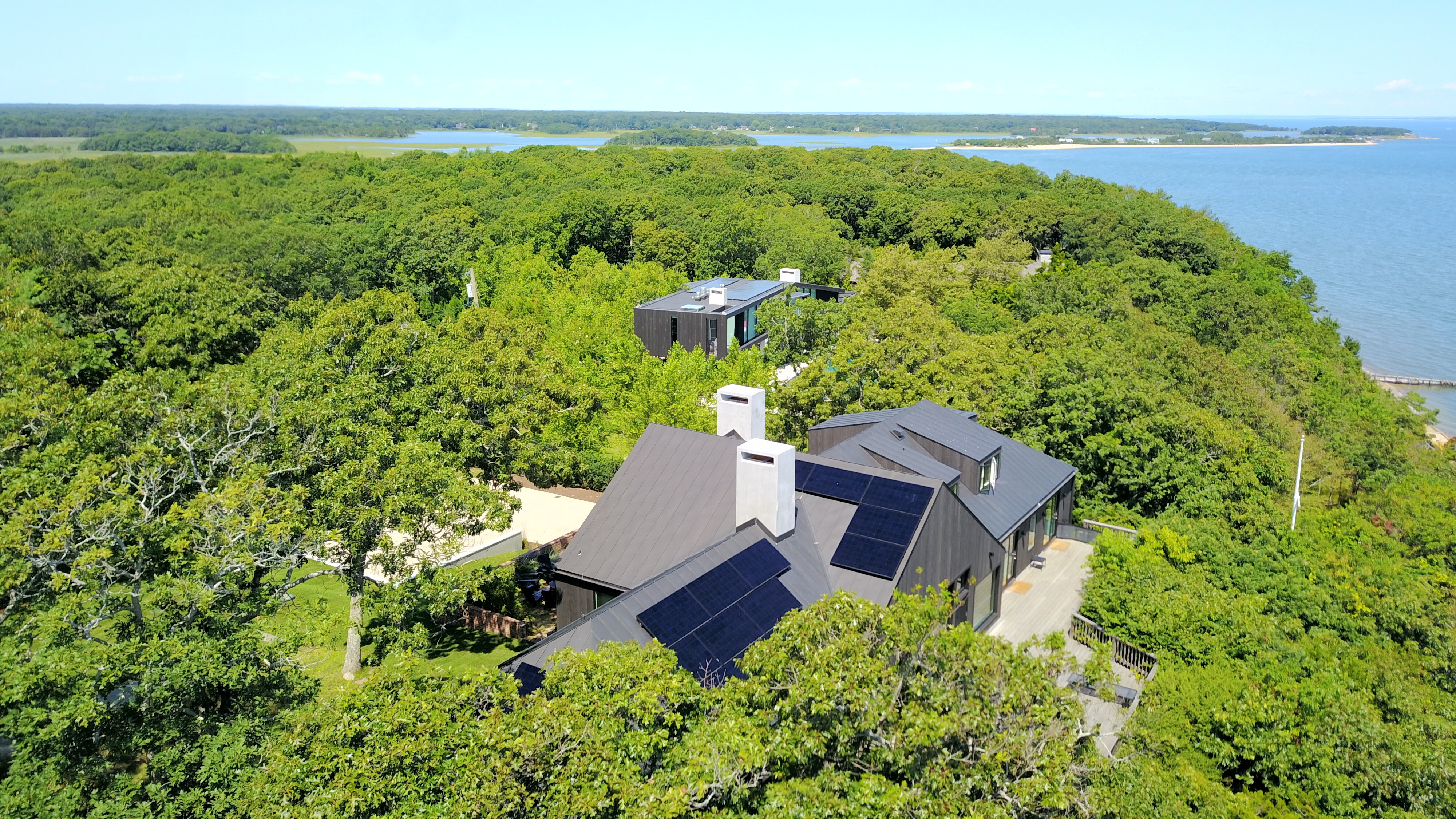
Under a power purchase agreement, you do not buy the equipment. A solar provider owns the panels on your roof, keeps them running, and sells you the electricity they produce at a fixed rate. Because the provider owns the system, the provider qualifies for the federal commercial credit and folds that value straight into the price you pay per kilowatt-hour. You never file for it, chase it, or wait on a refund. It arrives at a lower rate from the first bill.
If you want the mechanics of how the structure works from the ground up, our earlier guide on what a power purchase agreement is covers that. This piece is about why the timing suddenly favors it.
What it looks like on a Long Island bill
New York carries some of the steepest power prices in the country, so the value that credit unlocks lands harder here than almost anywhere else. Bought the standard way, electricity runs around $0.28 per kilowatt-hour. Through a GreenLogic agreement, that same power sits closer to $0.16, held steady instead of drifting up each year. We make the full case for locking a rate in and why a power purchase agreement makes sense today. Here the point is narrower. That lower number is only possible because the federal credit is still in the system, just claimed by the owner rather than by you.
What buying gives up, and what an agreement keeps
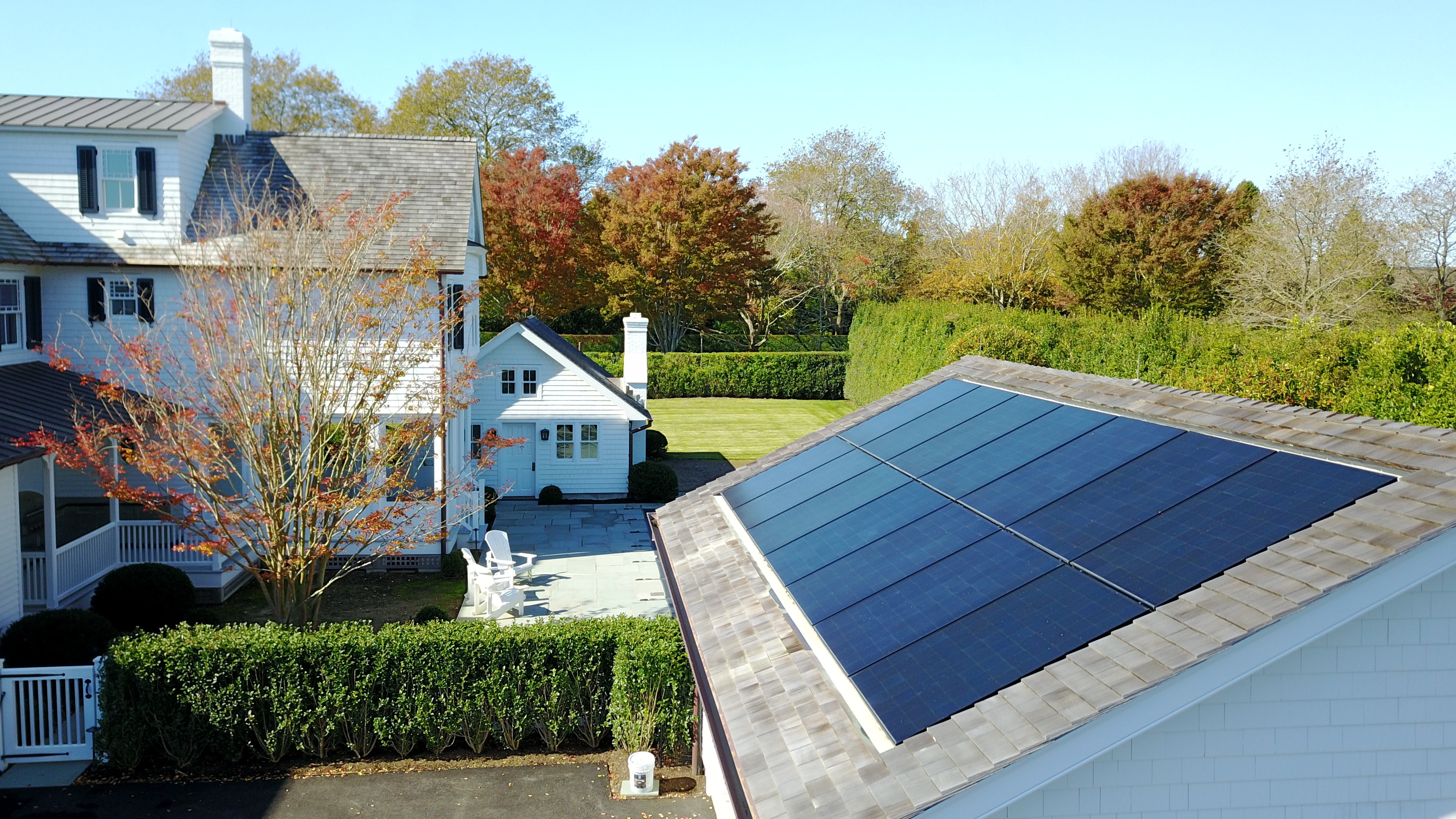
There is still a real case for owning your system, and for some households it is the right call. New York's state-level incentives, including a credit worth up to $5,000, remain in place for 2026. But buying now also means covering the full cost at signing without the federal help that used to soften it. A power purchase agreement flips that equation. Nothing down at the start, no maintenance bills, no tax paperwork, and a performance guarantee that stands behind the system's output for 25 years. If a panel ever falls short, that is our problem to solve, not yours.
Curious what buying actually runs now that the federal break is gone? Our breakdown of solar pricing on Long Island walks through the real figures.
Is this the right move for your roof?
The agreement model rewards households that want predictable bills, zero upkeep, and savings that start immediately without a large opening cost. It makes less sense if you expect to sell within a couple of years or your electricity use is very low. The honest answer depends on your roof, your usage, and how long you plan to stay put. That is a short conversation, not a hard pitch.
The federal picture shifted, but the reasons Long Island homeowners go solar did not. Lower bills, shelter from rising rates, and cleaner power are all still on the table. The route to them simply changed lanes.
See your actual number
Get a straight estimate built around your real usage at our power purchase agreement page, or reach the team if you would rather just talk it through first.
Related Articles

What Is a Power Purchase Agreement (PPA)?
Solar panels, installation, and equipment can add up quickly, even when the long-term savings are significant. A Power Purchase Agreement (PPA) changes that.

Solar PPA Explained: How Power Purchase Agreements Work
A solar Power Purchase Agreement offers a practical way to access solar energy without the financial and operational burden of ownership.

Why a Solar Power Purchase Agreement (PPA) Makes Sense Now?
Rising utility rates are the real risk. A $0-down Solar PPA offers immediate savings and long-term cost stability for Long Island homeowners.
What Can Solar Save?
Schedule a free consultation with a GreenLogic energy consultant. We'll review your energy use and show you exactly what solar would save you.
Give us a call 631.771.5152