

Solar Company Out of Business: What Long Island Homeowners Should Do Next
For years, your panels have done their job quietly on the roof. Then you need a repair, a roofer asks who to call about the array, or you try to reach your installer and find the phone disconnected. Solar companies going out of business has become a real issue in recent years, and many Long Island homeowners now own systems with no original installer to call. The good news is that a closed company doesn't leave you without options. Here's what changes, what to check first, and how to move forward.
What Happens When Your Solar Company Goes Out of Business
When an installer closes, the equipment on your roof doesn't change. What changes is the support around it. The company that designed the system, pulled the permits, and registered the equipment is no longer there to answer questions. That usually means losing access to service records, the installer's workmanship support, and anyone who knows exactly how your system was configured. In some cases, monitoring accounts were managed through the original company, which can make it harder to see how your system is performing.
This tends to go unnoticed until something forces the issue: a roof replacement, a renovation, a damaged panel, or a drop in production. Homeowners whose systems were installed roughly eight to fifteen years ago are the most likely to find themselves in this situation.
What to Do When Your Solar Company Goes Out of Business
Start by gathering whatever documentation you have from the original installation. Permits, equipment specs, your contract, warranty paperwork, and monitoring login details are all useful. Don't worry if some of it is missing. A site review can help rebuild much of that information.
Next, look at how you pay for the system. If you own it outright, the system is yours to service with any qualified contractor. If it's leased or under a power purchase agreement, review your contract carefully. After solar company bankruptcies, agreements are sometimes transferred to another company, and the terms of your contract determine who is responsible for service.
Then check your warranties. Equipment warranties on panels and inverters typically come from the manufacturer rather than the installer, so some coverage may still apply depending on the manufacturer's terms. The installer's workmanship warranty is usually the piece that ends when the company closes. Your paperwork will tell you which applies to your system.
Finally, establish a new service relationship before you need one. It's far easier to bring a solar contractor in ahead of a roof project or repair than to find one in the middle of it.
Why a Site Review Comes First
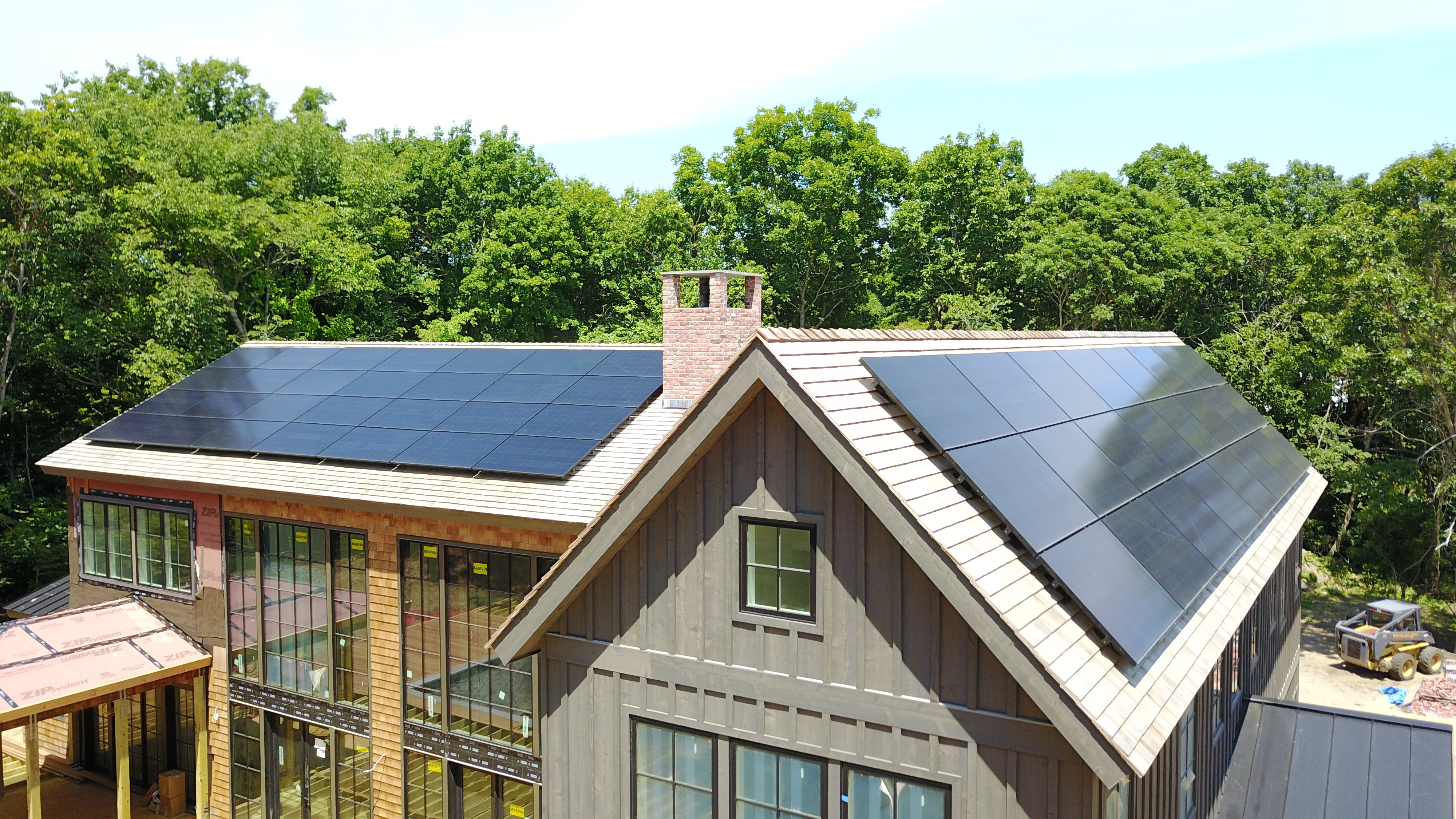
With no installer records to rely on, the first step is understanding what's actually on your roof. A thorough site review documents the equipment, wiring, and conduit runs, evaluates how the system is performing, and reconstructs missing details where possible. It also gives you a clear starting point for any decision that comes next, whether that's a simple repair, work around an upcoming renovation, or a bigger conversation about the system's future.
If a roof replacement or renovation is part of the picture, our post on planning a roof replacement or renovation in the Hamptons walks through how to coordinate solar work with your GC and roofer.
Repair, Expand, or Replace an Older System
Once you know what you have, the next question is what makes sense for your home. For many systems, a repair and a new service contact are all that's needed. For others, especially older arrays, it's worth weighing a few factors before investing in fixes.
Consider the condition of the equipment and whether compatible replacement parts are still readily available. Look at how your home's energy use has changed since the system went in, whether from an addition, an electric vehicle, or new appliances. Compare current production to what you expected when the system was new. And if a roof replacement is coming up, factor that in too, since the panels will need to come off either way.
Depending on those answers, the right path might be repairing the existing system, expanding it, or replacing it with new equipment. There's no single answer, which is why the decision should follow an assessment rather than come before it. If replacement is on the table, our guide to solar panels for your home covers what a new system involves, and a power purchase agreement offers a way to upgrade with $0 down.
How to Choose a New Solar Service Provider
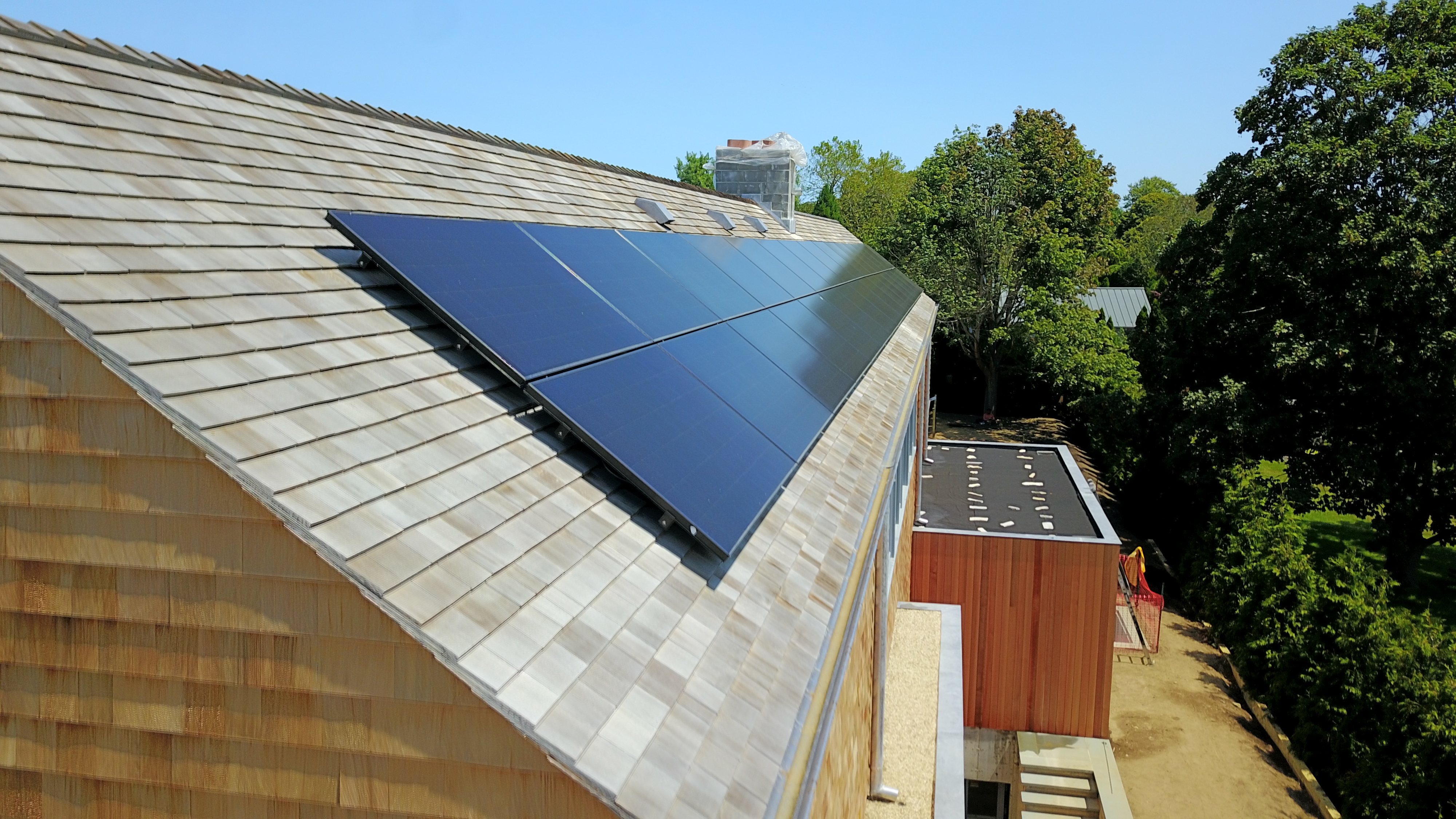
Not every solar company takes on systems it didn't install. When comparing providers, ask whether they work on systems from other installers, including ones that closed. Look for experience with your type of equipment and roof, a clear process for permits and inspections, and a team that can coordinate with your roofer, electrician, or GC when a project calls for it. A provider with deep local experience will also be familiar with your town's building department requirements.
Frequently Asked Questions
My solar company went out of business. Will another company service my system?
Many will, but not all. Ask directly whether a provider services systems from other installers before scheduling any work.
What happens to my warranty if my solar company goes out of business?
The installer's workmanship warranty usually ends with the company, but manufacturer warranties on equipment may still apply. Check your paperwork or contact the equipment manufacturer to confirm your coverage.
What if my solar system is leased?
Review your lease or PPA contract. When a solar company closes, agreements are sometimes transferred to another company, and your contract determines who handles service.
Do I need to replace my system because the installer closed?
Not necessarily. Many systems only need a new service contact and routine repairs. A site review helps you decide whether repairing, expanding, or replacing makes the most sense.
Talk to GreenLogic About Your System
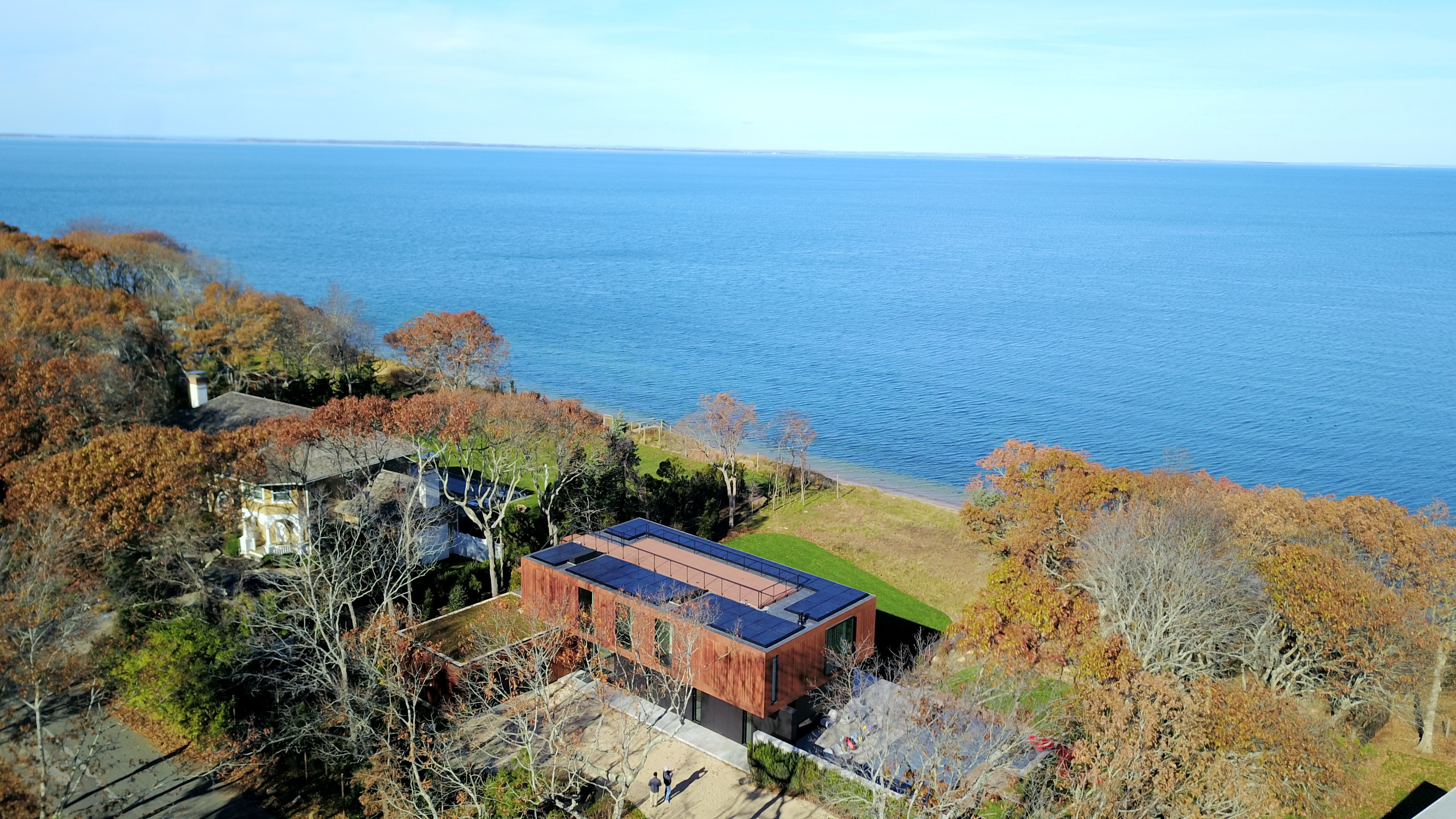
For 21 years, GreenLogic has designed and installed solar on thousands of custom homes across the East End, and we work on systems from any original installer, including companies that are no longer in business. Whether your system needs a repair, work around a renovation, or a fresh look at what comes next, reach out to schedule a site review.
What Can Solar Save?
Schedule a free consultation with a GreenLogic energy consultant. We'll review your energy use and show you exactly what solar would save you.
Give us a call 631.771.5152